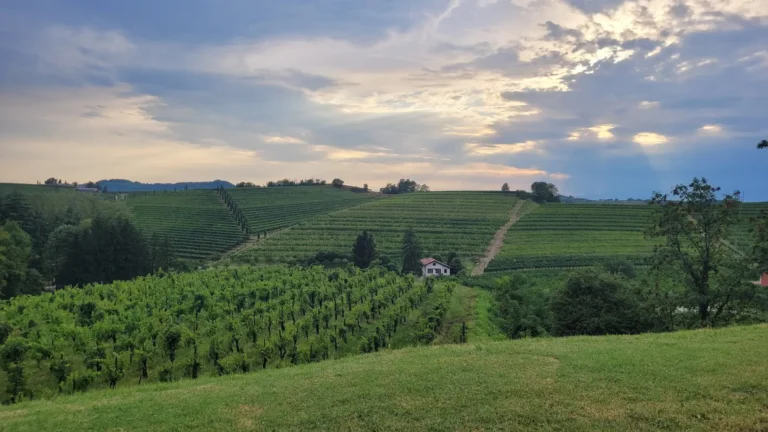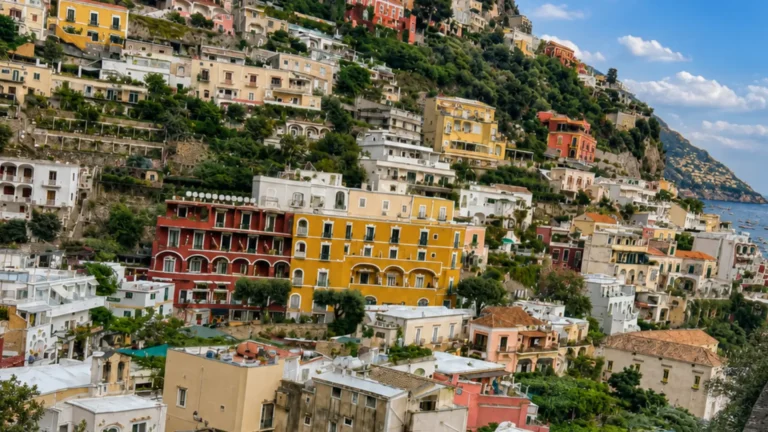
Villa vs Hotel in Italy – it is one of the first decisions you make when planning an Italy trip and one of the most consequential. Get it wrong, and the accommodation works against the rest of the itinerary. Get it right and it becomes part of what makes the trip.
There is no universal answer. The right choice depends on three things: who is travelling, where you are going, and what you actually want from the trip. A couple celebrating an anniversary in Puglia faces a different decision from a family of eight planning two weeks in Tuscany. A first-time villa renter has different questions from someone who has done it before.
I have planned both, and everything in between, for clients across Italy. This is how I think about the decision.
WHAT ACTUALLY SEPARATES A VILLA FROM A HOTEL IN ITALY
space, service, flexibility and what each actually costs you
The core difference is simpler than most comparisons make it. A villa gives you space, privacy, and self-sufficiency. A hotel gives you service, location, and convenience. Everything else follows from that.
In a villa, you have the property to yourselves. The pool, the terrace, the kitchen, the garden. Nobody else’s schedule determines yours. Breakfast happens when you want it. If you are travelling as a large family or a group, a villa often makes more financial sense too. One property divided between eight or ten people frequently works out cheaper per head than booking multiple hotel rooms at a comparable standard.
What a villa does not automatically give you is service in the hotel sense. At the higher end of the market, many villas come with concierge support, on-the-ground assistance, and staff who can arrange things before and during the stay. At the lower and mid range, you manage more yourself. The arrival, the provisioning, the logistics. For some travellers, that is exactly what they want. For others, the appeal of Italy is not having to think about any of that. It is worth knowing which kind of villa you are booking before you commit.
A hotel gives you the infrastructure. Staff, service, daily housekeeping, someone to fix problems without you having to find the right person. For couples, for shorter stays, and for city-based trips, a hotel almost always makes more sense. You are not there to manage a property. You are there to move through a place. If you are researching the hotel side of this decision, the finest hotels in Italy from the Dolomites to Sicily gives you a starting point by region.
The cost question is worth being honest about. For two people, a good hotel is almost always more economical than a villa. For six or more, and particularly for a week-long stay, the calculation reverses. Multiple hotel rooms at a comparable quality level add up fast. A villa that costs what seems like a large number per night often looks very different when divided by the group.
IF YOU HAVE ALWAYS STAYED IN HOTELS AND ARE CONSIDERING A VILLA FOR THE FIRST TIME
what actually changes and what to watch for
The shift that catches most first-time villa renters off guard when weighing villa vs hotel in Italy is not what they expected to miss. It is what they did not expect to gain.
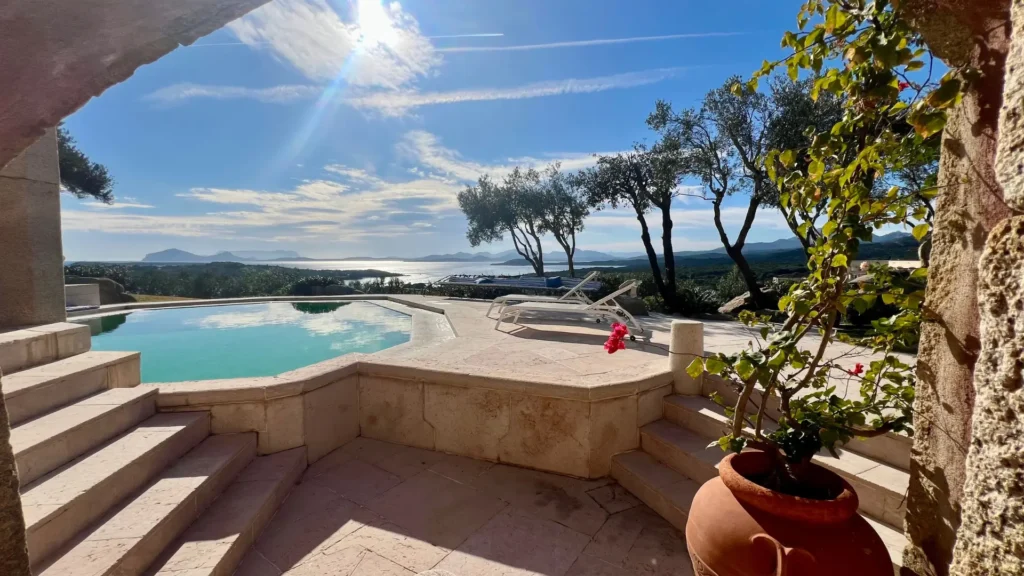
Space is the obvious one, but it is different in practice from how it sounds in theory. A villa is not a large hotel room. It is a property — gardens, terraces, a pool that belongs to your group and nobody else, outdoor areas where you can eat, sit, and move without sharing them with strangers. For families and groups who have spent years in hotels navigating shared spaces, the scale of what a villa actually gives you is something most people only fully understand once they are standing in it.
Privacy works the same way. There is no lobby, no other guests, no sense of being in a public place. The property is yours for the duration. That changes how a trip feels, particularly for groups celebrating something or simply wanting to be together without an audience.
What first-time villa renters sometimes underestimate is the daily management that comes with it. In a hotel, cleaning, breakfast, and maintenance happen without you arranging them. In a villa, unless the property has on-site staff or you have arranged a private chef and housekeeping in advance, you are cooking, you are cleaning, and when something goes wrong there is no front desk to walk up to. You call the rental company or the owner, and the response depends on them.
At the higher end of the market, that is rarely an issue. At the mid-range, it is worth knowing before you arrive. If you want to stop thinking about logistics the moment you arrive, that is the part of a villa worth understanding before you book.
The question worth asking before you book is simple: do you want a private space or do you want a managed experience? Some villas offer both. Many offer one. Knowing which you are getting before you arrive makes the difference. If you are drawn to the idea of slowing down and being somewhere rather than moving through it, slow travel in Italy is worth reading alongside this decision.
THE AGRITURISMO: THE THIRD CHOICE WORTH KNOWING ABOUT
what it actually is and when it works for your trip
When weighing villa vs hotel in Italy, most people overlook a third option entirely.
An agriturismo is a working farm that also offers accommodation. It is a specifically Italian category with no real equivalent elsewhere – regulated by law, tied to agricultural activity, and rooted in the land it sits on. The property might produce wine, olive oil, honey, cheese, or something else entirely. Many operate farm-to-table restaurants serving what the land produces. Some have animals, orchards, or vegetable gardens that you can visit or participate in.
The accommodation range is wider than most people expect. At the basic end, rooms are simple and functional. At the boutique end, and there are genuinely boutique agriturismi across Tuscany, Umbria, Piedmont, Friuli-Venezia Giulia, and other regions, you find pools, well-designed interiors, proper reception facilities, and a level of service that sits closer to a small hotel than a farm stay. Independent apartments and self-catering units are common, giving you privacy without the full management demands of a villa.
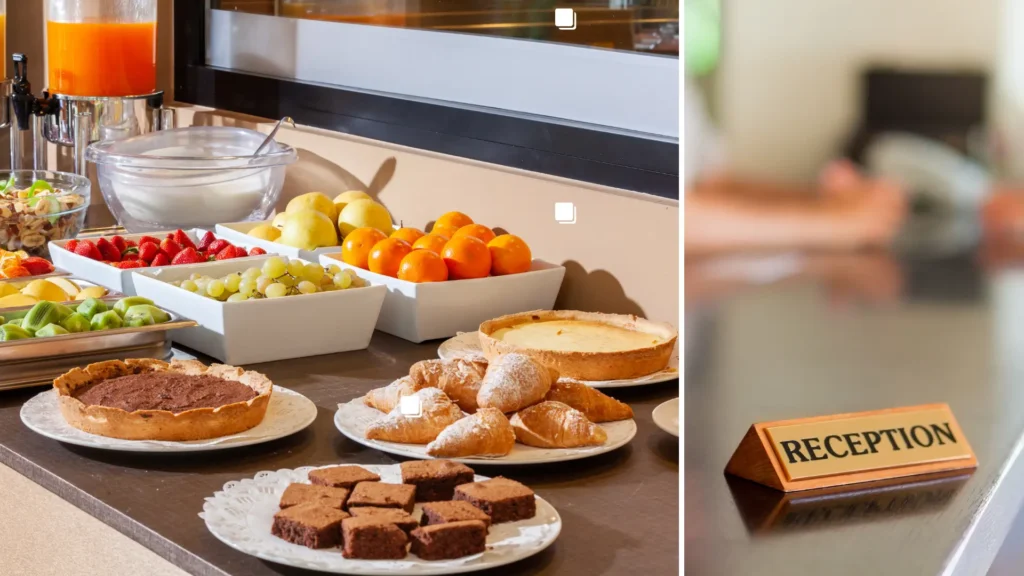
What makes an agriturismo distinct from both a villa and a hotel is the connection to place. You are not just staying somewhere in Italy. You are staying on a specific piece of land that produces something. A couple I planned for spent four nights at a working wine estate in Friuli-Venezia Giulia, arriving in time for an estate tasting on their first afternoon. A family with four children stayed at an organic agriturismo with animals, a pool, and fresh produce from the orchards available every morning at the reception counter. These are not experiences a hotel or a villa replicates.
For families, agriturismi often solve the space problem that hotels create without requiring the full self-sufficiency of a villa. For couples who want to be somewhere rather than just sleep somewhere, a well-chosen agriturismo is frequently the strongest option on the table. If you are considering Puglia specifically, Alberobello and the Puglia countryside gives a sense of what this corner of southern Italy actually looks like on the ground.
VILLA VS HOTEL IN ITALY
it starts with who is travelling
The accommodation decision for a couples trip in Italy is rarely about space. It is about atmosphere, location, and what the property adds to the experience. Most couples I plan for end up in boutique hotels, relais de charme, or agriturismi rather than villas, not because villas are wrong for couples, but because a well-chosen hotel or agriturismo gives them the location, the service, and the sense of place that a private villa sometimes cannot. If you are planning a couples holiday in Italy, the accommodation decision is one part of a wider picture.
A couple who wants to be in the heart of a hilltop town, steps from the best restaurant in the area, is better served by a small boutique hotel than a villa twenty minutes outside it. A couple who wants to be on a working farm in Val d’Orcia, waking up to orchards and a property that produces its own food, is better served by an agriturismo with a private apartment unit than either a hotel or a standard villa rental.
For families, the type of trip matters more than any single factor. A family that wants an outdoor, nature-based, immersive experience – active days, local food, contact with the land – often finds an agriturismo serves them better than a villa or a hotel. A family that wants ultra-luxury, full service, and the freedom to do nothing is better placed in a high-end hotel or a castello estate, where the property itself becomes the experience. A self-catering villa works well for families who want flexibility, their own outdoor space, their own kitchen, their own rhythm to the day without a restaurant schedule or shared facilities.
The question is not how old the children are. It is what kind of Italy the family wants to be inside. If you are planning a family holiday in Italy, that question is worth answering before the accommodation search begins.
Multigenerational trips, three generations, grandparents to grandchildren, have their own logic. Space and privacy matter more than for any other group type, because different generations need the ability to be together and apart on the same day. A villa with multiple bedrooms and shared outdoor spaces solves this well when the property is right. An agriturismo with independent units works equally well and often adds something a pure villa rental does not – on-site staff, a restaurant, a connection to the place that keeps the group anchored rather than isolated. For a multigenerational Italy trip, the accommodation structure is often the first and most important decision in the planning process.
For groups of friends, the decision turns on two things: how many people and what kind of shared experience they want. A smaller group of eight to twelve who want privacy, a pool, and the ability to be together on their own terms is well suited to a villa. Larger groups are more complicated. I planned a Friendsmoon in Sicily for a couple who had just married in Florence and wanted to bring 35 friends for the week after the wedding. The instinct was a villa, possibly two within driving distance. What worked better was a hotel with its own large estate and private villa units scattered across the grounds.
The group had the privacy they wanted and the hotel infrastructure meant there was a reception, a concierge, and an on-site team managing logistics. For a group of 35 with varying arrival dates and activity participation, that structure made the difference between a trip that ran smoothly and one that would not have. If you are planning a friendsmoon in Italy, the group size and the service question are the two things worth resolving first.
VILLA VS HOTEL IN ITALY
how the region changes the decision
The region does not determine the choice on its own. But it shapes the options available and shifts the decision in predictable ways.
In cities, the answer is almost always a hotel. Rome, Florence, Milan, Naples, you are there to move through a place, to be close to what you came to see, and to have the infrastructure of a city property working for you. The self-catering equivalent in cities is an apartment or a historic palazzo rental, which works well for larger groups or longer stays but asks more of you logistically than a hotel does.
The countryside question is where the decision opens up. Rural Tuscany, Umbria, Puglia, Sicily, these are the parts of Italy where villas, agriturismi, and masserias come into their own. In Puglia, the natural first choice is a masseria – a fortified farmhouse converted into a rural hotel or self-catering property, with olive groves, regional cuisine, and stone architecture that has no real equivalent anywhere else in Italy.
For an overview of what Puglia offers, the official Puglia regional tourism portal is worth exploring before you plan.
In Tuscany and Umbria the agriturismo is deeply rooted and often the strongest option for travellers who want to be on the land rather than just near it. Villas work well across all of these regions for groups and families who want their own space for a week or more. If Tuscany is your destination, how to plan a Tuscany family vacation covers the bases and the experiences that actually deliver.
The coastal and lakes question sits differently again. On the Italian lakes, Como, Garda, Maggiore, boutique hotels, agriturismi, and villas with private pools are all viable, and the region does not push strongly in one direction. On the coast, wherever you are in Italy, the decision turns on two things – the itinerary and the type of service you want. A trip based in one area for a week suits a villa. A trip moving between destinations suits a hotel in each base. If Sicily is where you are headed as a couple, the five romantic experiences worth building a Sicily trip around is a useful next read.
Beach resorts and hotels with private beach access are a third option, available across the Italian coastline from Tuscany to Sicily, and they offer the service infrastructure of a hotel with the outdoor, water-focused experience that draws most people to the Italian coast. For a sense of what Sicily offers beyond the coast, Erice is worth visiting, a medieval hilltop town that changes the Sicily picture entirely.
Which of the three works depends on whether you want to manage your own days, be fully serviced, or something in between.
HOW I MAKE THIS DECISION FOR CLIENTS
why the brief tells me more than the budget
The budget matters less than most people think when it comes to the villa vs hotel in Italy decision. What tells me more is the brief.
The first thing I look for is the level of service someone expects as a baseline. If a client wants daily cleaning, breakfast included, an in-house restaurant, and staff on the ground throughout the stay, that points toward a hotel regardless of anything else. A villa can offer some of this at the higher end of the market, but if the expectation is daily hotel-style service as a given, it needs to be built into the property search from the start.
The second is flexibility. Some travellers want to own their day completely, no breakfast schedule, no checkout time pressure, the ability to eat at 10 pm on the terrace if they feel like it. Others want everything arranged and waiting for them. The first profile suits a villa or an agriturismo with independent units. The second suits a hotel. Most people sit somewhere between the two, which is where the conversation gets interesting.
The third is how the accommodation fits within the wider itinerary. A client who says they want a villa in Tuscany has told me something useful but not yet enough. Tuscany has several distinct subregions, each with different character, different driving distances, and different access to the experiences that matter to that specific trip.
My job is to understand what they want from the trip in full – the interests, the pace, the priorities – and then work out whether the villa they have in mind fits that, and if so, where exactly it should be and how the route around it should be shaped.
The accommodation is one piece. The itinerary is the whole. Getting both right at the same time is the work.
“Vanya created an incredible itinerary taking into account all the information I gave her about my family’s interests and had every aspect of the trip covered. The bike tour and hot air balloon rides were highlights and the private guides were first class. To say a 10 day trip went off without a hitch is to say a lot. I would recommend using Design Your Italy without reservation.”
— B. Teaster, USA — tailor-made family trip, Tuscany
If you are weighing whether specialist help is worth it for this kind of decision, planning Italy without specialist help is an honest answer to that question.
Most accommodation mistakes I see are not about the property itself. They are about choosing the right type for the wrong trip. If you are planning an Italy trip and want help working through this decision as part of a wider itinerary, that is what I do at Design Your Italy.
QUESTIONS WORTH ANSWERING BEFORE YOU BOOK
your questions answered
What is the difference between a villa and a hotel in Italy?
When comparing villa vs hotel in Italy, the core difference at most price points is between privacy and self-sufficiency on one side, and service and infrastructure on the other. A villa is a private property rented exclusively by your group, with its own outdoor spaces, kitchen, and facilities that belong to you for the duration of the stay. At the higher end of the market, many villas come with concierge support and on-the-ground assistance – the line between a high-end villa and a boutique hotel becomes less clear at that level. A hotel is a shared hospitality property with daily service and facilities available to all guests.
In Italy, a third category sits alongside both – the agriturismo, a working farm that offers accommodation ranging from simple rooms to independent apartments, often with its own produce, regional cuisine, and a connection to the land that neither a villa nor a hotel replicates.
I have always stayed in hotels in Italy. What changes if I rent a villa for the first time?
The most immediate change is that the property is entirely yours. No shared pool, no other guests at breakfast, no lobby to pass through. For most first-time villa renters, this lands differently in practice than it sounded in theory — the scale of having a private outdoor space, a terrace, a garden, or a pool that belongs only to your group is something that is hard to appreciate until you experience it.
What also changes is the level of daily management required. In a hotel, housekeeping, breakfast, and maintenance happen without you arranging them. In a villa, depending on the property, daily cleaning may come at an additional cost or on specific days rather than every morning. If something goes wrong, response times are longer than a hotel with on-site staff. At the higher end of the market, this changes – well-staffed villas with concierge support operate closer to a hotel in terms of service. But at the mid-range, you manage more of the day-to-day yourself.
The question worth asking before you book is what you actually want to stop thinking about on this trip. The answer will tell you more than any comparison of price per night.
Is a villa or a hotel better for a family holiday in Italy?
Neither is universally better, it depends on the type of family trip you are planning and what you want from it.
A villa works well for families who want flexibility and their own space. A private outdoor area, a kitchen for meals on your own schedule, and the ability to move at your own pace without a hotel routine are all genuine advantages, particularly for longer stays. For multigenerational trips with three generations under one roof, a villa with multiple bedrooms and shared outdoor spaces solves the togetherness-and-privacy balance that a hotel struggles to provide.
A hotel works well for families who want full service – daily housekeeping, breakfast included, a restaurant on site, and staff to handle logistics. For city-based trips or itineraries that move between destinations, a hotel almost always makes more practical sense than a villa.
An agriturismo is worth considering for families who want something between the two — independent units with privacy, on-site staff and a restaurant, and a connection to the land that adds something to the experience a villa or hotel does not. Families with children often find the animals, the orchards, and the daily farm produce create a different kind of Italy experience entirely.
Is a villa or a hotel better for a couples trip or honeymoon in Italy?
For most couples trips, including honeymoons and anniversaries, a hotel or an agriturismo tends to serve better than a villa, though the answer depends on what the trip is built around.
A villa for two people rarely makes financial sense and often puts you further from the places you came to experience. A couple who wants to be in the heart of a hilltop town, close to the best restaurants, with the city or landscape at their door, is better placed in a well-chosen boutique hotel or relais. The service, the location, and the sense of being somewhere rather than managing somewhere all work in your favour.
Where a villa makes sense for couples is when the property itself is the destination – a week in rural Tuscany or Umbria where the point is to be on the land, cook your own meals, and have complete privacy. At the higher end of the market, a villa with private staff and concierge support can deliver an experience that no hotel replicates. But this requires a specific kind of trip and a specific kind of couple.
An agriturismo with a private apartment unit is often the strongest option for couples who want the privacy of a villa with the connection to place that a hotel cannot provide. Several clients I have planned for have found this combination – independent space, farm produce, regional cuisine on site – works better than either a villa or a hotel for the kind of Italy they came looking for.
What is a masseria and is it better than a villa or hotel in Puglia?
A masseria is a fortified farmhouse, historically built across the Apulian countryside for agricultural and defensive purposes, that has been converted into a rural hotel or self-catering property. It is a specifically Puglian category with almost no equivalent elsewhere in Italy. The architecture is distinctive: thick stone walls, internal courtyards, olive groves surrounding the property, and a sense of having been built to last centuries rather than to accommodate tourists.
The best masserias in Puglia sit somewhere between an agriturismo and a boutique hotel. Many have pools, spas, and restaurants serving the regional cuisine of Puglia – burrata, orecchiette, local olive oil – alongside the working land that surrounds them. Accommodation ranges from classic hotel-style rooms to independent trulli or self-catering units depending on the property.
Whether a masseria is better than a villa or a hotel in Puglia depends on what you want from the region. If you want to be on the land, eat what the land produces, and stay somewhere with genuine architectural character that could only exist in this corner of southern Italy, a masseria is almost always the strongest choice. If you want a city base for exploring Lecce or Bari, a boutique hotel serves you better. If you want a fully private property for a large group, a villa may give you more space and flexibility.
For most travellers visiting Puglia for the first time, the masseria is where I would start the conversation.
Is a villa cheaper than a hotel in Italy?
It depends entirely on how many people are travelling and for how long.
For two people, a hotel is almost always more economical than a villa at a comparable quality level. A well-chosen boutique hotel room costs significantly less per night than a private villa, and you gain service and location in the trade.
For larger groups, the calculation reverses. A villa priced at what seems like a large number per night looks very different when divided across eight or ten people. Multiple hotel rooms at a comparable standard add up fast, particularly for a week or more, and the villa often works out cheaper per head while giving significantly more space and privacy.
The hidden cost comparison is worth knowing about. A villa at the mid-range typically does not include daily cleaning, and additional housekeeping, a private chef, or extra services come at a surcharge. A hotel includes these as standard. At the higher end of the villa market, where staff and concierge support are included, the price reflects it and the comparison with a five-star hotel becomes closer than most people expect.
The honest answer is that villa versus hotel is not primarily a cost decision. It is an experience decision. The cost question is worth asking, but it rarely determines the right answer on its own.