The most memorable Il Dolce Far Niente Italy vacation is not the one with the longest destination list. It is the one that was designed around the people living it.
Most Italy itineraries are built around a map. The best ones are built around a person.
It is the same pattern I see repeated across the industry. Florence is close to Rome, the train is short, and the logic appears sound. So destinations get stacked. Day one in Rome, day three in Florence, day five somewhere else. Efficient on paper. Exhausting in practice.
A well-designed Italy family vacation is not simply a sequence of locations to be checked off. It is a sensory environment that places real demands on the people experiencing it – the Vatican crowds, the early departures, the cumulative weight of back-to-back cultural immersion. Design purely around geography, and you have optimised the logistics while ignoring the human beings living the trip.
This is where Il Dolce Far Niente comes in – the principle at the heart of every well-paced Italy family vacation I plan. The sweetness of doing nothing, the Italian understanding that presence, rest, and unhurried time are not indulgences but necessities, is the single most underused tool in family vacation planning. When it is built deliberately into a custom family vacation in Italy, it changes how the entire trip feels.
If you are planning to hand your Italy itinerary to a specialist rather than build it yourself, this guide still matters. Understanding why pacing changes everything helps you recognise when an itinerary has been genuinely designed around your family, and when it has simply been assembled from a map.
What an Il Dolce Far Niente Italy vacation looks like in practice
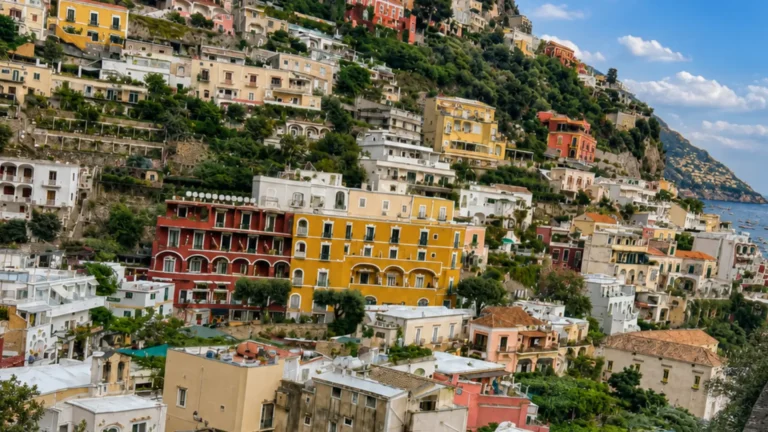
The families who come back most satisfied from an Il Dolce Far Niente Italy vacation are not the ones who saw the most. They are the ones who gave Italy room to surprise them. One family spent five nights at Miramalfi on the Amalfi Coast with adult children aged 19 and 20. Their structured days were genuinely extraordinary. A cooking class in a terraced garden overlooking the coastline, olive groves and citrus trees on one side, the sea on the other.
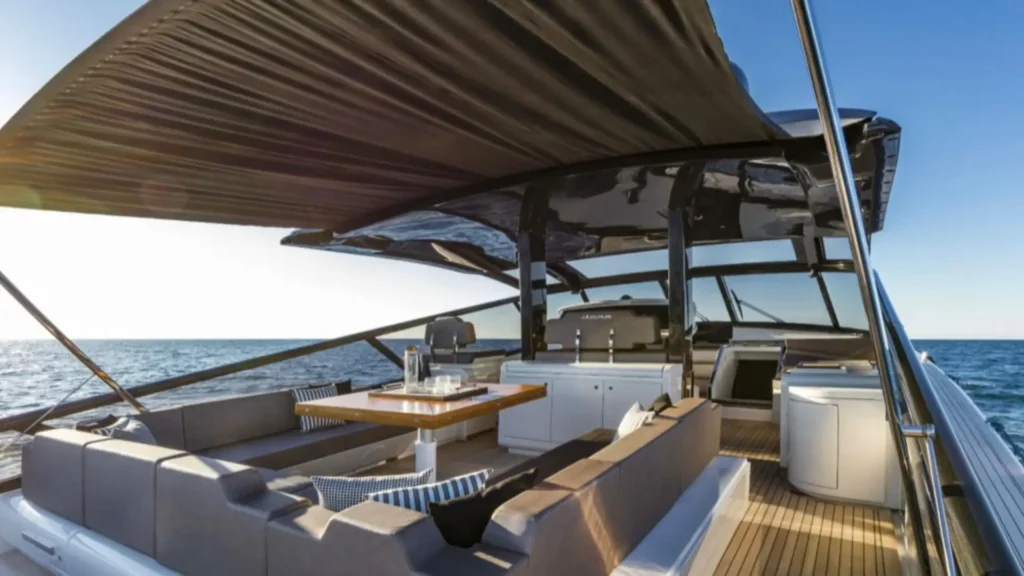
A private yacht charter along the coastline with lunch on board. A morning exploring Amalfi town. Everything else was deliberately open. The hotel’s private beach club, long lunches, no agenda. They rated it as one of the best holidays they had ever taken. Not despite the unscheduled days. Because of them.
Read more → For the practical structure behind a well-paced Italy family itinerary — bases, pacing and the one-third rule: How to plan a family trip to Italy — why staying longer in fewer places changes everything.
What Il Dolce Far Niente actually means for your Italy family vacation
Il Dolce Far Niente translates literally as the sweetness of doing nothing. In Italian culture, it is not an absence of activity. It is an understanding that presence, unhurried time, and genuine rest are what make everything else more vivid. A morning in a piazza with nowhere to be. An afternoon with no booking to reach. The space that makes the structured experiences around it feel more significant rather than less.
You cannot plan for it directly. You can only plan in a way that leaves room for it.
The rhythm that makes the difference
What separates a trip families describe as genuinely extraordinary from one that ends in exhaustion is rarely the destination list. It is the sequencing, what surrounds the extraordinary moments, and whether there is enough stillness around them to make them felt rather than simply witnessed.
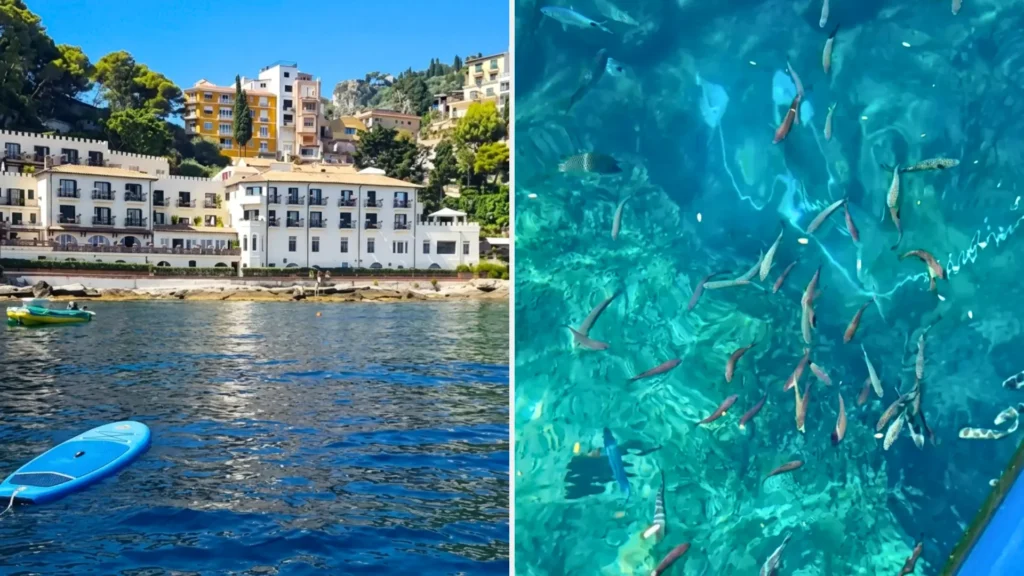
The first trip I ever planned began on Lake Como – elegant, unhurried, the lake and the mountains. From there, the family moved to Sicily, staying at Belmond Villa Sant’Andrea in Taormina Mare, right on the sea. The Taormina Film Festival was running during their stay. Nicole Kidman was receiving the Arte Award that year, and both she and the family are Australian. I sourced the tickets in advance. One evening they were in the Teatro Antico, the ancient Greek theatre cut into the cliff above the sea, watching her receive the award on stage.
That evening was extraordinary. What made it extraordinary was everything around it. The days that were genuinely still, the property that gave them a base rather than a schedule, the space that made one remarkable evening feel like the centrepiece of the trip rather than one item on a list.
From Taormina, they moved to Pantelleria. Volcanic, unhurried, closer to Tunisia than to mainland Italy, almost entirely off the standard Sicily itinerary. That same family returned in December 2019. They have been coming back to Italy through me ever since.
The first trip set the standard. Not because it was packed with experiences. Because it was designed around a rhythm that made each moment feel worth the journey.
How I built an Il Dolce Far Niente Italy vacation
The practical translation of Il Dolce Far Niente into an itinerary comes down to three things I apply to every trip I plan.
One structured experience per day, maximum. A private Uffizi visit, a Colosseum tour, a cooking class. One per day, not two or three back to back. Everything else in the day is lighter, unscheduled or deliberately open.
At least one is lightly scheduled for every three days of the trip. Not a day with nothing booked, but a day with nothing required. The difference matters. A day with nothing booked can feel directionless. A day with nothing required feels like Italy.
I always recommend three nights minimum in every base. Movement costs more than most families account for, not just in travel time but in energy and settling-in time. Three nights is when a place starts to feel familiar. Five or six nights is when it starts to feel like somewhere you actually lived for a while.
For families travelling with young children these rules matter even more. The rhythm of a familiar place, a pool they know, a morning with no agenda, is what keeps younger children settled rather than fractious throughout the trip. For multigenerational groups the same principle applies across generations.
What this looks like for a family of six
Six nights on the Maremma coast. Four children aged 6 to 11. Horse riding through the pine forest with a picnic, snorkelling the Maremma coastline, dinner at a bio farm restaurant where everything on the table came from the land around it. On August 15th, Ferragosto, a long traditional lunch at Locanda dell’Aionico booked in advance, is one of the most important celebrations in the Italian calendar. That evening, entirely unplanned, the family witnessed the Ferragosto fireworks over the coast.
After confirming the accommodation, I discovered Cavallino Matto, a well-regarded family amusement park less than twenty minutes away. I left one day completely free and mentioned it as an option. The family chose to go. Four children who had spent the week at the sea spent one day on rides. That was theirs to decide, not mine to schedule.
From the Maremma, the family moved to Pisa for their final two nights, with a day trip to Lucca. A different pace, a different landscape, a different version of Tuscany to finish on.
The Ferragosto fireworks were not on any itinerary. They happened because the family was genuinely in a place rather than passing through it. That is the difference.
Planning an Il Dolce Far Niente Italy vacation for your family
The families who come back to me, and several have been coming back for years, are not the ones who saw the most on their first trip. They are the ones whose first trip felt genuinely different from anything they had planned themselves. Not because the destinations were extraordinary, though some were. Because the rhythm was right.
For families travelling with teenagers or adult children, getting that rhythm right matters even more. The window when everyone is free, willing, and together is rarer every year. An Italy family vacation that depletes rather than restores that energy is a significant missed opportunity.
Ready to stop planning and start going?
I have been planning Italy for families since 2019, living here since 2010. I am also a mother of two, which means I understand what a family trip actually demands, not just what it looks like on paper. Every itinerary I design starts with the specific people making the trip, their ages, their interests, their pace, and what they are actually looking for from Italy. The rhythm is built around them, not around a map.
Here is how I work with families to design their Italy.
Frequently asked questions about Il Dolce Far Niente Italy vacation planning
Q1. What is an Il Dolce Far Niente Italy vacation, and how is it different from a standard Italy trip?
An Il Dolce Far Niente Italy vacation is one designed around the rhythm of the people travelling rather than the geography of the destinations on the list. The literal translation, the sweetness of doing nothing, does not mean an empty schedule. It means a schedule built around one extraordinary experience per day, genuine unscheduled time between them, and enough nights in each place for the trip to feel like it belongs to your family rather than an itinerary document.
The difference from a standard Italy trip is sequencing. Most Italy itineraries are built around proximity- Florence is close to Rome, so both go in. The Amalfi Coast is nearby, so it gets added. Each addition makes logical sense individually. Together, they create a trip that moves too fast to be felt. An Il Dolce Far Niente Italy vacation is built around a different question entirely: what does this specific family need from each day, and what needs to surround the extraordinary moments to make them land?
Q2. How do I know if my Italy family vacation itinerary has the right balance of structure and open time?
Three questions worth asking about any Italy family itinerary:
How many structured experiences are scheduled per day? One is the right number. Two back-to-back is where depletion starts. Three in a single day means the third will not be remembered properly, regardless of how extraordinary it is.
How many nights in each base? Three is the minimum for a place to start feeling familiar. Fewer than three, and your family is always the newcomer, orienting, adjusting, never quite settled.
Is there at least one lightly scheduled day for every three days of the trip? Not a day with nothing booked, a day with nothing required. The difference between those two is significant. One feels empty. The other feels like Italy.
If the answer to any of those questions is no, the itinerary is built around geography rather than the people travelling to Italy.
Q3. Is an Il Dolce Far Niente approach suitable for families who want genuinely extraordinary experiences, not just relaxation?
This is the most important question about this approach, and the most misunderstood. Il Dolce Far Niente is not an argument for doing less. It is an argument for sequencing what you do so that each experience has room to be felt rather than processed and moved past.
The trips in my portfolio that families describe as genuinely extraordinary are not the ones with the longest activity lists. One family attended the Taormina Film Festival ceremony at the Teatro Antico, the ancient Greek theatre cut into the cliff above the sea. Another spent a day on a private yacht charter along the Amalfi Coast with lunch on board. A third witnessed Ferragosto fireworks over the Maremma coast, a moment nobody had planned for, after a traditional lunch at a local locanda.
None of those experiences were modest. What made each of them extraordinary was not the experience itself but what surrounded it. The days that were genuinely still, the base that gave the family genuine roots in a place, the space that made one remarkable moment feel like the centrepiece of the trip rather than one item on a list.
An Il Dolce Far Niente Italy vacation for families who want genuinely extraordinary experiences is not a compromise. It is the only approach that makes those experiences feel as significant as they deserve to.
Q4. How do Italy travel planners build the Il Dolce Far Niente principle into a family itinerary — what does that actually look like?
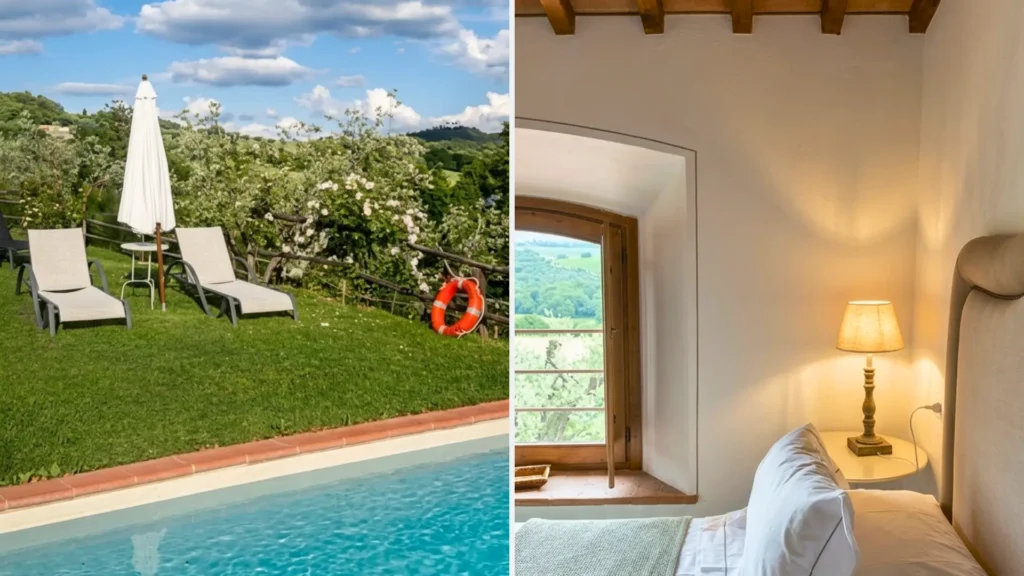
When I plan an Il Dolce Far Niente Italy vacation for a family, the rhythm is built into the structure from the first decision – accommodation. Where a family stays determines the pace of everything around it. A property with its own pool, its own outdoor space, its own rhythm. A Tuscan agriturismo, a lakeside villa on Como, a masseria in Puglia, a mountain lodge in the Dolomites, give the family a base that generates its own unhurried days without requiring anything to be scheduled into them.
From there, the planning moves to sequencing. One significant experience per day. For every three days of the trip, at least one day without a heavy fixed programme, not an empty day, but a lighter one. The anchor might be a lunch reservation at a farm-to-table restaurant, a visit to a local market, or a dinner somewhere worth the drive. The experience is real and often extraordinary. What differs is that the day unfolds around it rather than being structured from morning to evening. That quality of day is where Italy tends to surprise families most.
Restaurants are researched and reserved throughout, not just on the lighter days, but always at places that feel genuinely local rather than convenient. Optional activities are identified and left available without being built into the programme. A family amusement park near the accommodation. A market on a particular morning. The family knows they exist. Whether they happen is theirs to decide.
The itinerary feels full without feeling pressured. The structure is there. The space is protected. Italy does the rest.
Q5. Will my family miss the best of Italy if we slow down and do less?
Some of the families I have worked with who have seen the most of Italy are the ones who came back multiple times, not the ones who covered the most ground on a single trip. A first Il Dolce Far Niente Italy vacation that tries to include Rome, Florence, Venice, the Amalfi Coast and Sicily in ten days will touch all of them and own none of them. A first Italy family vacation that owns three places properly will send the family home already planning the next one.
The best of Italy is not a list of destinations. It is a quality of experience that only becomes available when the pace is right. The Ferragosto fireworks over the Maremma coast happened because a family was genuinely in a place rather than passing through it. The Film Festival ceremony in the Teatro Antico happened because there was enough stillness around it to make it feel significant. Neither of those moments appears on any standard Italy itinerary. Both are the kind of thing families describe for years afterwards.
You will not miss the best of Italy by slowing down. You will find it.