Most families planning a trip to Italy start with a list of destinations — Rome, Florence, Venice, the Amalfi Coast. The destinations are not the problem. The structure is.
When families plan a family trip to Italy for 10 days and move every two nights, they give themselves six check-outs, six new cities to orient themselves in, and very little time to actually feel any of them. What experienced Italy travellers already know — and first-timers discover the hard way — is that the families who come home saying it was the best trip they ever took are the ones who stayed longer in fewer places.
In this guide, I share the planning approach I use for every tailor-made Italy family vacation, choosing the right bases, staying long enough to settle, and building a rhythm that works for every age in the group rather than managing a logistical sprint.
You already know what you want to see in Italy. The real question is how to plan a family trip to Italy in a way that feels like it was designed for your family specifically, not for families in general.
If you are planning to hand the itinerary to a specialist rather than build it yourself, this guide still matters. Understanding the structure of a well-planned Italy family trip helps you recognise when a proposal has been genuinely thought through, and when it is just a list of hotels and activities.
The high cost of planning a “checklist” Italy family vacation
The checklist approach to planning a family trip to Italy, three nights in Rome, two nights in Florence, one night in Venice, is built on a flawed assumption: that seeing more places means getting more value. In practice, it means your family spends a significant portion of every day packing, travelling, unpacking, and reorienting rather than actually being somewhere.
On a 10-day Italy itinerary with five stops, a family can lose the equivalent of two full days purely to transit and settling in. Those are two days that could have been spent on a private cooking class in a Tuscan farmhouse, cycling the walls of Lucca with the children, or simply sitting at a café in a piazza that has started to feel like yours.
The families in my portfolio who rate their Italy trip as the best they have ever taken are consistently the ones who moved the least. Not because they saw less, but because they saw it properly.
Read more → Slowing down is not just good trip planning — it is the Italian way. Why Il Dolce Far Niente is your smartest Italy family vacation strategy.
1. Why constant hotel hopping makes planning a family trip to Italy harder than it needs to be
The time cost is quantifiable. What is harder to quantify is what constant movement does to the mood and rhythm of a family trip.
When a family arrives at a new city after a travel day, the first few hours are always the same — finding the accommodation, working out the neighbourhood, establishing where to eat, and understanding what is walkable. By the time the settling-in process is complete, half the day is gone. For families travelling in Italy with young children, this reorientation takes longer and costs more energy.
A family that moves every two nights never fully settles. They remain in tourist mode. Always navigating, always orienting, never with enough time to move beyond the obvious. The difference between two nights and five nights in the same place is not just rest. It is the difference between seeing a place and starting to understand it.
The families I plan for who get this experience are the ones who stay at least three nights in each base. Usually more. A family I worked with spent six nights at a single agriturismo on the Tuscan coast, and it was unanimously the highlight of their 14-day trip.
Read more → Getting the logistics right between bases is equally important. How to get around Italy with your family without the stress.
2. Why extra nights in a city unlock the Italy most families never see
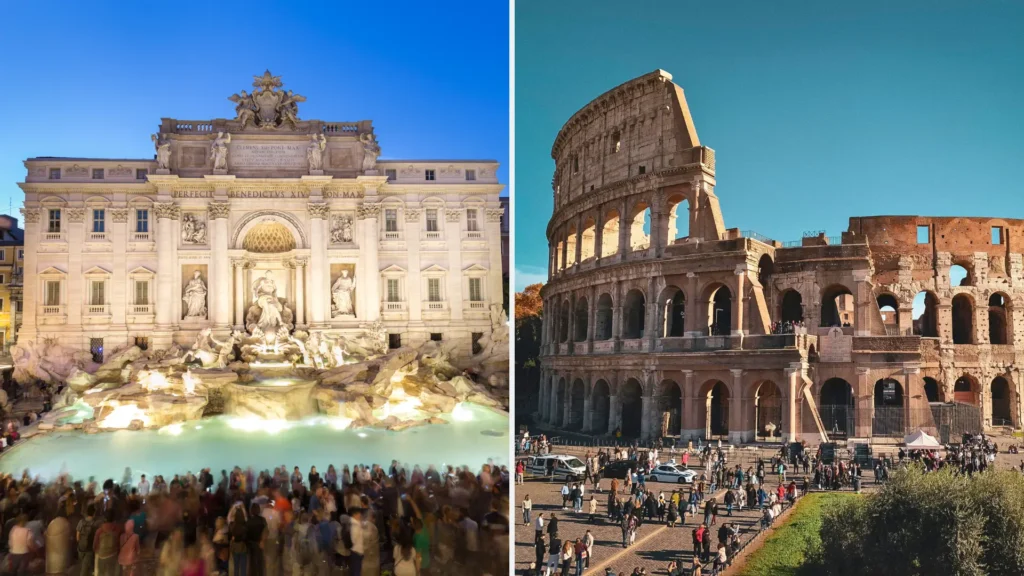
The famous sites belong on any serious Italy family itinerary. The Colosseum, the Vatican, the Uffizi. These are extraordinary and worth every hour. The question is what happens on the days around them.
A family with three nights in Rome sees the landmarks. A family with four or five nights can cycle the Appian Antica, one of the oldest roads in the world, through a landscape that feels nothing like the city an hour away. They can visit Palazzo Colonna, one of Rome’s great private palaces, which appears on almost no standard itinerary.
Or they can spend an evening at the Stadio Olimpico with VIP Serie A tickets, which is exactly what one family I worked with did on their Rome stay, a father and his youngest son at a Lazio match, a memory that had nothing to do with art or history and everything to do with what that particular family actually loves.
These are not hidden secrets. They are simply experiences that require time, and that disappear from a rushed itinerary before they were ever considered.
The principle extends beyond extra nights. Where you base yourself within a city changes what the city gives you entirely. One family I planned for stayed at a converted mill on the Arno in a quieter residential part of the city rather than the tourist centre. From there, they cycled the Florentine hills. A completely different experience of the same destination that most visitors never consider because they default to the obvious central accommodation and never look beyond it.
The families in my portfolio who came home talking about specific moments rather than landmarks were almost always the ones who had given themselves either a day more than they thought they needed, or a base that opened up a different version of the place entirely.
3. Why over-scheduling an Italy family itinerary kills the best moments
A fully packed Italy family itinerary feels responsible in the planning stage. Every hour accounted for, every site booked, every meal reserved. The risk is not that scheduled experiences are wrong. Some of the most memorable moments in any Italy family trip are carefully planned. The risk is leaving no room between them.
When every day is scheduled from morning to evening, there is no space for the moments that cannot be planned. One family I worked with, travelling with four young children, spent several evenings at a local funfair near their Tuscan agriturismo. Completely unplanned, not on any itinerary, and it turned into a highlight of the trip.
When I plan a family trip to Italy, I always leave days without a heavy fixed programme. A lunch somewhere good, a gelato, a walk through a town. That is enough for some days. Not every day needs an itinerary.
Another family spent five nights on the Amalfi Coast. One day, they took a private yacht charter along the coastline with aperitivo and lunch on board, stopping at coves only accessible by boat. Other days, they explored Amalfi town and used the hotel beach club entirely at their own pace. They rated it as one of the best holidays they had ever taken.
That is what a well-balanced Italy itinerary looks like. Extraordinary planned experiences alongside genuine breathing room, and enough time in each place to actually feel both.
4. Why too many destinations is the most common Italy family planning mistake
The instinct when planning a family trip to Italy is to add. Rome is obvious, so Florence goes on the list. Florence is on the list, so Venice gets added. Venice is there, so the Amalfi Coast seems wrong to skip. By the time the itinerary is finalised, a 10-day trip has six destinations and very little time to actually be in any of them.
The problem is not that these places are not worth visiting. It is that adding a destination means adding a travel day, and travel days are the one thing on an Italy family trip that nobody looks back on fondly. Five destinations in 10 days means your family spends a significant portion of the trip moving between places rather than being in them. Three destinations in 10 days means your family actually gets to know each one.
The families I work with who feel most present on their Italy trip are consistently the ones who planned fewer destinations than they originally wanted, and felt grateful for it.
Read more → If this is prompting you to think about handing the planning to someone else entirely, here is how I work with families to design their Italy.
How to plan a family trip to Italy that actually works — the one rule that changes everything
The solution is straightforward once you see it. Choose fewer bases, stay longer at each one, and build the daily programme around where you are rather than where you are going next.
For a family Italy itinerary to work across different ages and energy levels, each base needs a minimum of three nights. Three nights is when a place starts to feel familiar rather than new. Five or six nights at a countryside base, an agriturismo in Tuscany, a lakeside property on Garda, a masseria in Puglia, give your family the kind of settled rhythm that makes the whole trip feel different.
The practical rule I use for every family itinerary: the number of overnight bases should never exceed one-third of the total nights. A 10-night trip has a maximum of three bases. A 14-night trip has a maximum of four. This is not a rigid formula. It is a constraint that forces better decisions about what actually matters on a specific family’s trip.
This approach works particularly well for multigenerational Italy trips where different generations have different energy levels, and the group needs a stable base rather than a moving target.
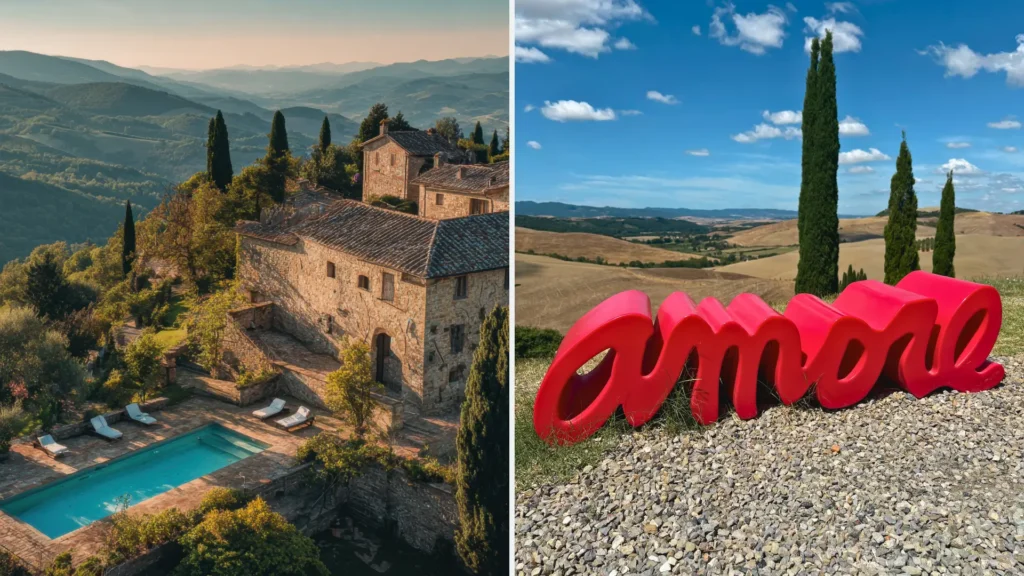
How to choose the right bases for your family Italy itinerary
Where you stay determines everything else — what day trips are realistic, what experiences are accessible, how much time you lose to transit each day. Tuscany alone has distinct subregions that suit completely different family trips: the Chianti hills, the Val d’Orcia, the Maremma coast, the area around Siena. Choosing the wrong base means spending half the trip driving to experiences that should have been on the doorstep. Read the dedicated guide to choosing your family’s Tuscany home base before you commit to a property.
And if Rome is part of your itinerary, the best family day trips from Rome, worth building into your stay.
The one-third rule: how to structure your Italy family itinerary
There is one rule that shapes every family trip to Italy I plan: the number of overnight bases should never exceed one-third of your total nights.
| Nights | Max. Bases | Sample Blueprint |
|---|---|---|
| 10 | 3 (10 ÷ 3 ≈ 3.3) | 3 nights in Rome 4 nights Tuscany/Umbria Countryside 3 nights Florence/Venice |
| 14 | 4 (14 ÷ 3 ≈ 4.6) | 3 nights in Rome 3 nights in Tuscany/Umbria Countryside 3 nights: Bologna & Food/Motor Valley 4 nights in the Dolomites +1 night: Buffer |
How to choose the right bases for your family Italy itinerary
Rome, Florence, and Venice
The three classic Italian cities belong on most serious family Italy itineraries. Not because every guide says so, but because they genuinely deliver. Rome for the scale and drama of ancient history. Florence for the density of Renaissance art and the accessibility of the Tuscan countryside on the doorstep. Venice for something unlike anywhere else in Italy or the world.
What makes these cities work for families is not the famous sites alone but what surrounds them. A private Colosseum tour that enters through the Arena floor – the same tunnels where gladiators waited before combat – is a completely different experience from the standard visitor circuit. A gelato-making class in Florence, where children make and eat their own creations, is a better afternoon than any gallery for ages 6 to 11. The key when planning a family trip to Italy that includes these cities is building the right experiences around the landmarks rather than treating the landmarks as the entire programme.
Italy countryside — Tuscany, Umbria, and Puglia
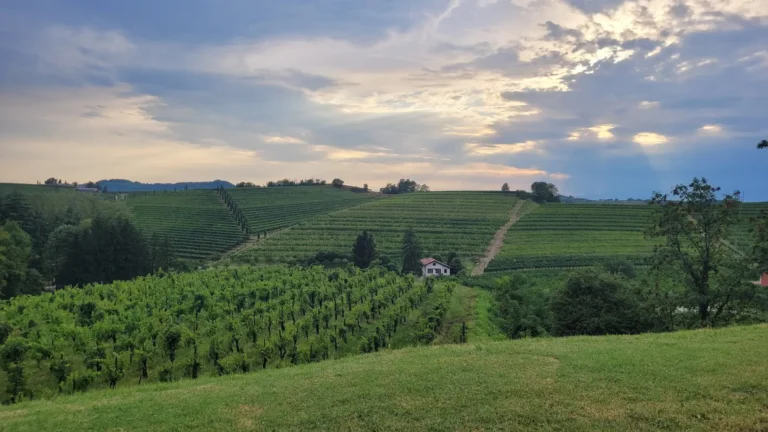
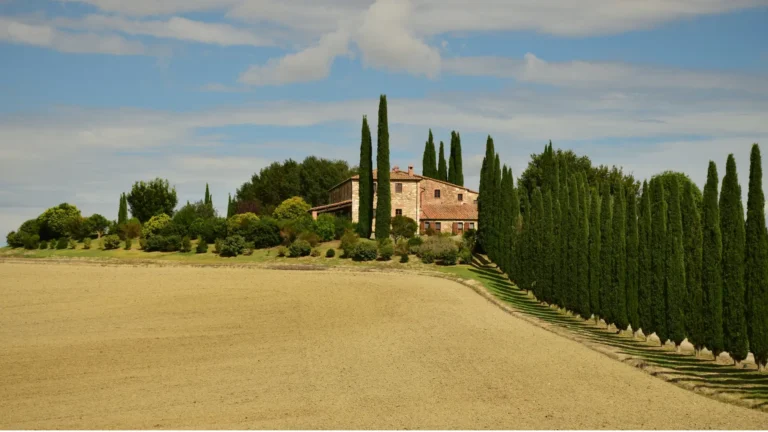
The Italian countryside suits families who want depth over movement. A private villa in the Tuscan hills, a historic estate in Umbria or a luxury masseria in Puglia gives your family a base that is an experience in itself, not just somewhere to sleep between activities.
This is particularly well-suited to multigenerational groups and families celebrating a milestone like a 50th birthday in Italy. Occasions where having a private property that belongs entirely to your group changes the character of the whole trip. From a countryside base, the daily programme builds naturally around the landscape – private e-bike rides through the hills, truffle hunting with dogs, a cooking class at a local farm. Days that feel genuinely different from anything available in a city.
Italian beach destinations and Italian lakes
• The Amalfi Coast One of Italy’s most dramatic coastlines and particularly well suited to families travelling with adult children or teenagers. The steep cliffs, terraced towns, and narrow coastal roads of Positano and similar towns require more planning for families with younger children. But it is absolutely possible with the right base and the right activities. Private boat charters that stop at calm coves, beach club access, and day trips to Capri and Ischia work well across ages. The key is choosing accommodation that does not require navigating long flights of steps with young children every day.
• Puglia & the Salento Peninsula: Puglia and the Salento Peninsula. Southern Puglia offers some of the best shallow-water beaches in Italy for families with younger children. Porto Cesareo and Pescoluse are genuinely calm, with turquoise water shallow enough to walk far from the shore. Less visited than the Amalfi Coast and significantly less crowded in summer, the right choice for families who want non-obvious Italy without compromising on the beach.
• The Italian Lake District (Lake Como, Lake Garda, Lake Maggiore): The three lakes suit different family profiles. Lake Como is best appreciated by families travelling with adult children or multigenerational groups. The villa elegance, private boat culture, and refined pace reward guests who can engage with it fully. Lake Garda and Lake Maggiore are better suited to families with younger children — more activities, more space, and Gardaland on the eastern Garda shore for a full theme park day. The Trentino shore around Riva del Garda is a different proposition entirely — cycling, watersports, and mountain scenery for active families who want the lake as a backdrop to adventure rather than a place to simply sit beside.
Italian islands vacation
• Sardinia: Sardinia suits families who want genuinely outstanding beaches without the crowds of more visited Italian coastlines. San Teodoro and Villasimius offer shallow, calm water that works well for younger children. At the other end of the spectrum, the Costa Smeralda is one of the most exceptional coastal destinations in Italy, with boutique luxury resorts, private yacht charters exploring the coastline, and water that is genuinely among the clearest in the Mediterranean. For active teenagers, the La Maddalena Archipelago offers sailing, diving and catamaran trips through some of the most pristine water in Italy. The island’s interior adds a different dimension for families who want more than beach days, with rugged landscapes and local culture that most visitors never reach.
• Sicily: Sicily works for almost every family profile because it genuinely offers everything at once – beaches, ancient history, outstanding food, and a culture that feels warmer and less polished than the north. The Valley of the Temples with a private guide, the Baroque architecture of the Noto Valley, a private 4×4 tour of Mount Etna. These are experiences that engage teenagers and adult children as naturally as they do parents. Taormina is worth more than a day visit — the Greek theatre, the town, the food. For families interested in food, a hands-on chocolate experience in Modica is unlike anything available elsewhere in Italy.
For families who have already seen Sicily and want something genuinely different, the smaller islands off the coast are another category entirely. The Aeolian Islands offer volcanic landscapes, thermal waters, and a pace that feels nothing like mainland Italy. Pantelleria sits closer to Tunisia than to mainland Italy, volcanic, unhurried, almost entirely off the standard Italy family itinerary. Both are the kind of destinations that define a trip for a family who specifically does not want what everyone else gets.
The Dolomites
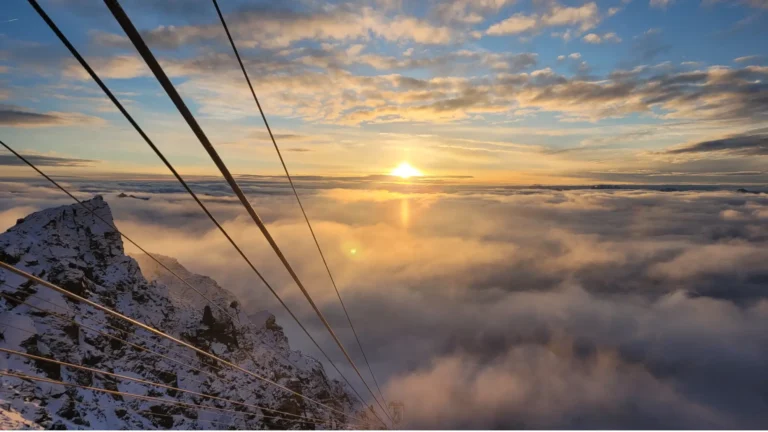
The Dolomites are the region that most surprises families who had not considered northern Italy, and consistently one of the most requested destinations for families travelling with teenagers and active adult children. The combination of dramatic mountain scenery, genuine physical challenge and distance from anything resembling a tourist circuit makes it unlike anywhere else in Italy.
In summer, the activity options are serious. A Via Ferrata calibrated to the group’s fitness level, white water rafting, mountain biking, canyoning, a private e-bike tour across the Alpe di Siusi, Europe’s largest high-altitude Alpine meadow. The families in my portfolio who have done the Dolomites with teenagers consistently say it was the moment the teenagers stopped being passengers on the trip and became fully present in it.
In winter, the Dolomites offer world-class skiing across multiple interconnected resorts. For families who ski, the range covers every level. For families who do not, the case for a winter Dolomites trip is equally strong. The landscapes, the alpine culture and the wellness options make it worth the journey regardless. The dedicated guide to planning a family trip to the Dolomites without skiing covers this in full.
A Pro A practical note on departure days: if your departure flight is early or your final destination is several hours from the airport, a buffer night near the departure airport is worth building into the itinerary. Fiumicino for Rome departures, Malpensa for Milan, Marco Polo for Venice. One extra night means the last memory of your Italy trip is a dinner somewhere good rather than a pre-dawn race to the terminal.

Answering the doubts (your “Yes, but…” questions)
But we want to see everything on our once-in-a-lifetime trip
You cannot see Italy in one trip. Italy has twenty distinct regions, each with its own character, food, landscape, and pace. Trying to cover as much as possible in a single itinerary means experiencing none of it properly.
The families I work with who come back most satisfied are consistently the ones who made a deliberate choice about what their specific trip would be, not what Italy is, but what this trip, for this family, at this moment, would give them. A 10-day trip that owns three destinations properly is worth more than a 10-day trip that touches six. And Italy will still be there for the next one. Several families I work with are now on their third or fourth Italy trip. Each one going deeper into the country rather than wider across it.
Won’t our kids get bored staying in one place?
The families I have planned for who worried most about this came back saying the opposite. Staying five or six nights in one place means children develop a familiarity with where they are. They know what is around them, they stop needing to orient themselves, and they start making requests based on what they have already discovered rather than what the itinerary says is next. That is not boredom. That is a child who has actually settled into a place.
From a well-chosen base, there is always more to do than the family has time for. Day trips to nearby towns, activities that do not require packing a bag, and the freedom to decide the day’s plan at breakfast rather than running to a pre-booked time slot. A family I planned spent six nights at a single agriturismo on the Tuscan coast with four children aged 6 to 11. Not once did anyone run out of things to do.
This sounds like we will miss iconic Italy sights
Staying in fewer places does not mean seeing less. It means the time you spend at the iconic sites is better. A family with three nights in Rome books the Colosseum. A family with five nights in Rome books the Colosseum and has time for the experiences around it – the Appian Antica by bike, the private palaces that appear on no standard itinerary, and the evening in a neighbourhood that has nothing to do with tourism.
The iconic sights are there regardless of how long you stay. What changes with more time is everything else.
Ready to stop planning and start going?
Knowing how to structure a family trip to Italy is one thing. Having the local knowledge, the supplier relationships, and the time to build every detail correctly is another. If you have a clear sense of the Italy you want but are not sure how to make it work for every age in your group, that is exactly where I come in.
I have been planning Italy for families since 2019, living here since 2010. Every itinerary I design is built from scratch around the specific people making the trip.